

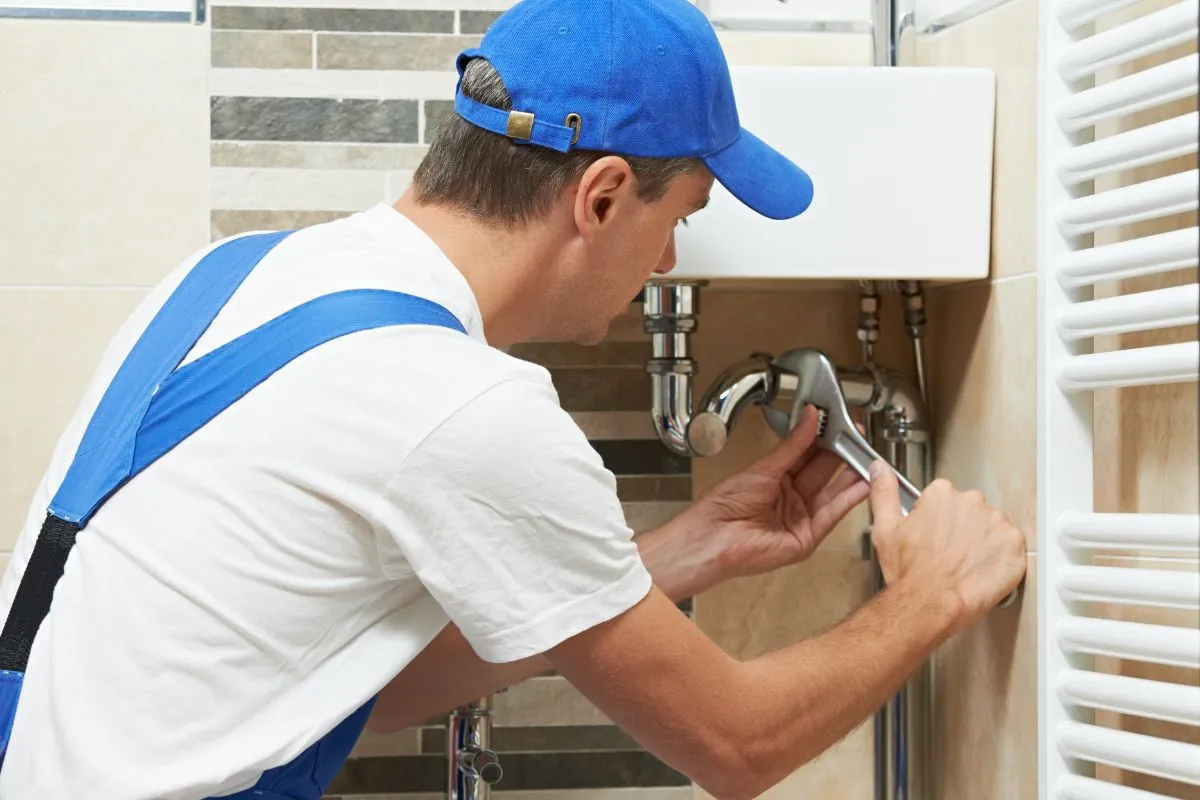
Is your home’s plumbing causing headaches? Don’t ignore those strange sounds or unpleasant smells. Small drain issues can quickly turn into urgent drain problems if not addressed. Spotting these signs early can save you time and money. Let’s dive into the essentials of maintaining your property’s value by keeping your plumbing in top shape.
Sommaire
ToggleCommon signs of urgent drain issues
- Slow draining sinks and tubs
- Persistent odors from drains
- Unusual gurgling sounds
- Frequent clogs
Recognizing these warning signs helps address urgent drain issues early.
Slow draining sinks and tubs
Slow draining sinks and tubs often indicate urgent drain issues. Address these problems by following these steps:
- Clear hair and debris from the drain cover
- Use a plunger to dislodge blockages
- Pour boiling water to dissolve buildup
- Apply a baking soda and vinegar solution
- Check traps for obstructions
- Ensure proper venting for drainage
Persistent odors from drains
Persistent odors signal potential urgent drain issues. Such smells may arise from trapped debris or stagnant water. Inspect sink and tub drains regularly. Ensure traps hold water to block sewer gases. If odors persist, consider contacting a plumber for further investigation.
Unusual gurgling sounds
Unusual gurgling sounds in your plumbing can indicate potential urgent drain issues. These sounds often signal trapped air or blockages. To address this:
- Inspect vent pipes for obstructions
- Check for partial blockages
- Ensure drain traps are clear
- Verify proper drainage slope
How to perform a quick drain inspection
Performing a quick drain inspection helps identify potential urgent drain issues. Focus on three key areas to ensure your plumbing remains efficient. Begin with a visual check of the pipes for any obvious leaks or damage. Look for water accumulation, as pooling can indicate a blockage. Listen for unusual noises that might suggest a problem. Here’s a simple checklist:
- Inspect pipes for leaks or visible damage.
- Check around drains for water accumulation.
- Listen for gurgling or other odd sounds.
These steps help catch issues early.
Visual inspection of drain pipes
A visual inspection of drain pipes helps identify potential issues early. This process reveals visible signs of damage or blockage. Conducting regular checks maintains your home’s plumbing health.
- Look for cracks or leaks on pipe surfaces.
- Check pipe joints for signs of corrosion.
- Inspect for rust or discoloration indicating water damage.
- Ensure all pipe connections appear secure.
Checking for water accumulation
Inspect drain areas for water accumulation which can signal urgent drain issues. Follow these steps to identify potential problems:
- Check around sinks and tubs for standing water.
- Look under sinks for leaks or puddles.
- Examine basement floors for unexpected damp spots.
- Inspect outdoor drain outlets for blockage.
- Observe for water pooling near the foundation.
- Ensure gutters direct water away from the house.
These checks help spot early signs of drain problems, maintaining property value.
Listening for unusual noises
Hearing unusual noises in your plumbing, like gurgling or bubbling, often signals urgent drain issues. These sounds may indicate trapped air or blockages in the pipes. Listen carefully near sinks and toilets, as these areas commonly reveal problems. If you notice such noises after running water, inspect further. Consider the possibility of a serious blockage. Addressing these sounds quickly helps prevent extensive damage.
Tools and techniques for identifying drain problems
A plunger helps in dislodging minor clogs, while a drain snake reaches deeper blockages. For eco-friendly solutions, pour baking soda and vinegar down the drain to clear mild obstructions. Each method offers a practical way to tackle urgent drain issues before they escalate.
Using a plunger effectively
Using a plunger can resolve many urgent drain issues. Follow these steps for effective use:
- Ensure a tight seal over the drain.
- Apply firm, steady pressure with up-and-down motions.
- Check for water movement to confirm blockage removal.
Employ a plunger to maintain clear drains efficiently.
Employing a drain snake
Using a drain snake can effectively clear clogs in your pipes. Insert the snake into the drain, then rotate the handle to break up or retrieve the blockage. This tool reaches deeper than a plunger, tackling stubborn obstructions. For best results, gently push until you feel resistance. Professional plumbers often use this method, making it a reliable choice for homeowners seeking to maintain drain efficiency.
Utilizing natural solutions
Utilizing natural solutions can help address urgent drain issues effectively and safely. Consider these methods:
- Pour hot water down the drain.
- Mix baking soda and vinegar.
- Use salt and baking soda.
- Try lemon juice for freshness.
- Opt for enzyme-based cleaners.
- Flush with boiling water regularly.
When to call a professional plumber
Call a professional plumber when you notice severe blockages like water backing up or overflowing. If you see signs of structural pipe issues such as cracks or leaks, seek expert help. Persistent problems after trying basic fixes also warrant professional intervention.
Identifying signs of severe blockages
Water backing up in sinks signals severe blockages. Toilets that overflow frequently indicate major drainage issues. Multiple fixtures draining slowly suggest a deeper problem. If you notice these signs, contact a plumber immediately.
Recognizing structural pipe issues
Cracks or bulges in your walls or floors might signal structural pipe issues. Rust or water stains could indicate hidden leaks. Low water pressure often suggests pipe damage. Check for uneven water flow. Look for wet spots in your yard, hinting at underground pipe problems. If you notice these signs, call a plumber quickly. Ignoring them can lead to costly repairs. Stay vigilant to maintain your home’s value.
Preventative measures to avoid urgent drain problems
To keep your drains in top shape and avoid urgent drain issues, adopt these preventive measures. Regular maintenance prevents costly repairs and disruptions.
- Use drain covers to catch debris.
- Dispose of grease properly, not down the drain.
- Run hot water after each use.
- Schedule annual professional inspections.
- Utilize baking soda and vinegar monthly.
- Educate family on proper disposal habits.
These steps help maintain your home’s plumbing system effectively.
Regular cleaning routines
Establish a routine for cleaning drains regularly. Use a combination of baking soda and vinegar. Pour them down the drain, then flush with hot water. This helps break down buildup and prevents clogs. Consider using enzymatic drain cleaners monthly. These solutions maintain clear pipes without harsh chemicals. Regular upkeep minimizes urgent drain issues and protects your home’s plumbing system.
Importance of drain covers
Drain covers play a crucial role in preventing clogs and maintaining pipe health. They keep debris out of your drains, reducing the risk of urgent issues. Consider these benefits:
- Blocks large particles
- Prevents hair build-up
- Stops food scraps
- Reduces soap scum
- Minimizes maintenance needs
Answers to frequently asked questions
What are the first signs of an urgent drain issue?
Slow draining sinks and persistent odors often signal a problem. Address these issues promptly to avoid further damage.
How can I quickly inspect my drains for problems?
Perform a visual inspection of drain pipes. Check for water accumulation and listen for unusual noises like gurgling.
What tools help identify and fix drain problems?
A plunger and drain snake are effective tools. Employ natural solutions like baking soda and vinegar for minor clogs.
When should I call a professional plumber?
Contact a plumber if you notice severe blockages or suspect structural pipe issues. Don’t wait for the problem to escalate.
How can I prevent urgent drain problems in the future?
Maintain regular cleaning routines and use drain covers. These measures help keep your plumbing system in good condition.