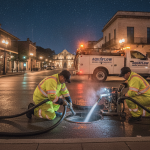



San Antonio, a city rich in history and heritage, is home to remarkable buildings like the famous Alamo and other structures dating back centuries. Cleaning and maintaining the drainage systems in these buildings is essential to ensure their proper functioning and to avoid costly repairs. However, this process is not without challenges, mainly due to the age and fragility of the infrastructures.
Sommaire
ToggleThe challenges of cleaning drains in historic buildings
Drains in San Antonio’s historic buildings face many obstacles. The aging materials, limited access to pipes, and preservation restrictions complicate maintenance. These challenges require specific solutions tailored to the unique characteristics of each building.
Aging drainage systems
Over time, the drainage systems in older buildings degrade. Corrosion, clogging, and the accumulation of debris result in blockages that hinder the smooth flow of water. Materials used in the past, such as lead or copper, are more vulnerable to damage caused by time and chemicals, making their cleaning more delicate.
Limited access
Historic buildings are often designed with narrow spaces and complex structures, making access to the pipes difficult. The pipes are sometimes buried deep within thick walls, old foundations, or even under protected structures. This makes traditional cleaning methods, such as hydro-jetting or using drain snakes, less effective, requiring specialized tools and techniques.
Fragile materials
While beautiful and majestic, historic buildings are made from fragile materials. Plumbing work can easily damage walls, floors, or other architectural elements. Drain cleaning, therefore, needs to be done with great care to avoid compromising the structural integrity of the buildings.
Preservation regulations
San Antonio, being a city with numerous historical landmarks, has strict regulations concerning the renovation and maintenance of its buildings. Any work on these structures must comply with preservation rules, limiting the cleaning methods available. Professionals must choose solutions that do not disrupt the original appearance or structure of the buildings.
Solutions for cleaning drains in historic buildings
While the challenges are many, solutions exist to preserve the buildings while ensuring effective drain cleaning. Professionals use innovative methods and specialized equipment to solve problems without damaging the architecture.
Non-invasive methods
Non-invasive cleaning is one of the most effective solutions. Cleaning robots and inspection cameras allow professionals to locate blockages without opening walls or floors. These technologies provide precision, reducing the risk of damaging fragile structures. Low-pressure hydro-jetting is also used to dislodge clogs while preserving the pipes and architectural elements.
Specialized equipment
Using tailored equipment is crucial. For example, moderate-pressure drain snakes can be used to clean without damaging old pipes. Additionally, adjustable brake tools allow control over the force applied, minimizing the risk of cracking or rupturing pipes. These technologies offer a great balance between effectiveness and safety.
Preventive cleaning and regular maintenance
Prevention is always easier and more cost-effective than repair. Preventive maintenance of drains in historic buildings is important to avoid debris buildup and blockages. Regular cleaning helps identify issues early before they escalate, ensuring the longevity of plumbing systems and the preservation of the buildings.
Collaboration with experts
Cleaning drains in historic buildings requires specific expertise. Hiring specialized professionals in historic buildings and non-invasive cleaning techniques is essential. These experts know the best methods for each situation and are trained to work while adhering to preservation standards.
Read more : How regular drain cleaning helps boost water quality in San Antonio
Practical cases and examples in san antonio
San Antonio houses many historic buildings, each with its unique drainage cleaning challenges. Let’s look at some real-life examples to illustrate the solutions implemented.
Examples of historic buildings
Buildings like the Mission San José or the Alamo have drains that require special attention. For example, Mission San José, a UNESCO World Heritage site, recently called on experts to clean its drains without compromising the building’s integrity. The chosen solution? A robotic cleaner equipped with cameras for precise inspection and low-pressure cleaning.
Solutions provided by local companies
Local businesses specializing in historic plumbing, such as San Antonio Plumbers, use custom-made methods for each building, considering the fragility of the structures and materials. These experts collaborate with conservators to ensure that work complies with strict preservation standards.
Results and benefits
Thanks to these innovative methods, historic buildings in San Antonio benefit from clean, functional drains without compromising their architectural heritage. The plumbing systems are now better maintained, reducing the risks of leaks and water damage in the future, while preserving the authenticity of the buildings.
Cleaning drains in historic buildings in San Antonio presents unique challenges, but tailored solutions exist. By using non-invasive methods, specialized equipment, and regular maintenance, it’s possible to preserve the integrity of the buildings while maintaining a functional plumbing system. Consulting with specialized professionals is crucial to ensure effective cleaning without compromising the historical value of these magnificent structures.