

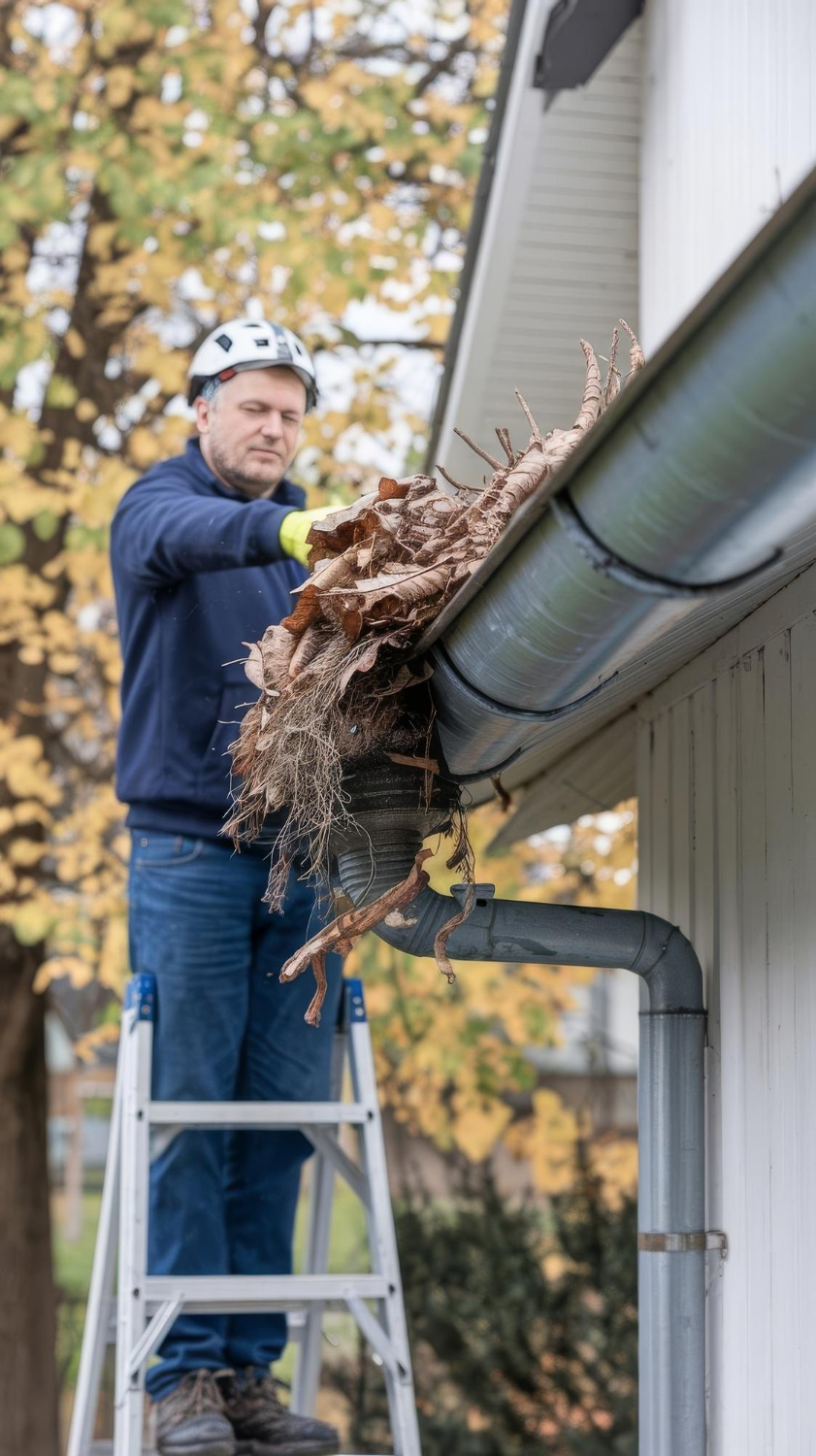
Roof drains are often overlooked, but their regular maintenance is important to avoid serious flooding, especially in San Antonio, where the climate can make drains particularly vulnerable. Cleaning your roof drains regularly helps prevent debris accumulation that could lead to blockages, leaks, or even flooding inside your home. Here’s how to maintain an effective drainage system and prevent flooding with proper roof drain care.
Sommaire
ToggleThe challenges of roof drains in San Antonio
San Antonio’s climate presents unique challenges for roof drain maintenance. Understanding these conditions helps anticipate the issues that might arise with your roof drains.
Humidity and heat: a perfect environment for obstructions
San Antonio’s hot and humid climate makes it ideal for debris and leaves to accumulate in roof gutters. During sudden storms or after intense heat waves, the flow of water can be blocked by debris in the gutters, leading to overflow. This increased likelihood of clogs can result in water backup and potential structural damage if left untreated.
The impact of sudden storms and heavy rain
San Antonio is frequently hit by sudden storms and heavy rain. When gutters are obstructed, water cannot flow properly, increasing the chances of overflow, which can lead to flooding inside your home. If roof drains aren’t cleaned regularly, rainwater can pour over the edges and damage the roof structure. Preventing these problems requires timely and effective maintenance.
The accumulation of debris and leaves in gutters
Trees and vegetation around your home generate significant leaves and branches throughout the year. These organic materials easily fall into the gutters and pipes, obstructing water flow. If these obstructions are not removed regularly, water will back up on the roof, potentially causing structural damage to your home.
The benefits of regularly cleaning roof drains
Roof drain cleaning is a preventive measure to avoid major issues. Regular maintenance not only helps prevent flooding but also extends the life of your drainage system.
Preventing clogs caused by debris accumulation
One of the main reasons to clean your roof drains regularly is to prevent clogs. Leaves, branches, and other debris accumulate in the pipes over time, reducing water flow. If these blockages are ignored, they can lead to major drainage issues and flooding, which can be costly to fix.
How blocked drains lead to flooding inside the home
When roof drains are blocked, rainwater cannot flow freely, causing it to overflow onto the roof. This excess water can then seep into your home through the walls, ceilings, and windows, leading to water damage. Regular cleaning ensures that water flows through the system as designed, preventing these costly problems.
Prolonging the lifespan of your roof and drainage system
Regular maintenance helps avoid rust and corrosion that can occur due to stagnant water. By keeping your drains clear, you also prolong the lifespan of your gutters and pipes. Clean gutters prevent premature wear and tear, reducing the need for expensive repairs or replacements in the future.
Common mistakes to avoid when cleaning roof drains
While cleaning roof drains may seem straightforward, several mistakes can make the situation worse. Here are the common errors to avoid for effective and safe cleaning.
Neglecting regular roof drain inspections
One of the biggest mistakes homeowners make is neglecting regular inspections of their roof drains. Waiting until a problem arises is often too late to prevent significant damage. By checking the gutters monthly, you can catch any debris buildup early and avoid severe blockages. Regular inspections also help identify any signs of corrosion or damage that may need attention.
Using inappropriate methods to clean drains
It’s crucial to use the right tools to clean your roof drains. Some homeowners try to clear pipes with chemical products or improper tools that can damage the pipes. These methods not only fail to address the problem, but they also can worsen the condition of the pipes, increasing the risk of future issues. It’s always best to rely on effective tools like a pressure washer or manual drain snake to ensure proper cleaning.
Ignoring signs of damage or corrosion in drain pipes
Pipes can deteriorate over time, and ignoring signs of cracks or leaks in your drainage system can lead to serious issues. Corrosion can weaken pipes, leading to potential breakages or permanent damage. Regular inspections and proper maintenance help identify these issues before they cause major flooding or leaks.
Effective methods for cleaning roof drains
Cleaning your roof drains is essential to maintaining a functional and efficient drainage system. Here are the best methods to achieve optimal results.
Using a high-pressure washer to remove debris
A high-pressure washer is an excellent tool for clearing debris from roof gutters. It quickly and efficiently dislodges leaves, dirt, and other debris that can block the flow of water. This method is ideal for removing heavy buildup, ensuring that your roof drains remain unobstructed and functioning properly.
The Importance of video inspections to spot hidden issues
Video inspections allow you to see inside the pipes without dismantling them. A specialized camera identifies hidden obstructions, cracks, or signs of corrosion, helping you target the problem areas. This detailed view ensures that all issues are addressed, avoiding potential future clogs or damage.
Manual cleaning tools: drain snakes and other methods
For smaller, localized obstructions, a drain snake or manual cleaning tool is sufficient. These tools help to dislodge debris from pipes without causing damage. While they may not be suitable for deeper blockages, they are effective for minor clogs that require attention.
Recommended cleaning frequency for roof drains in San Antonio
The cleaning frequency of roof drains depends on several factors, such as the environment and the age of the system. Here are some practical tips for determining the ideal frequency of cleaning.
| Cleaning frequency | Recommendation |
| Clean after each rainy season (Spring and Fall) | Clean gutters after each rainy season to remove leaves and branches that may clog the drains, ensuring optimal water flow and preventing overflow. |
| Ideal frequency based on vegetation and drainage system age | Increase cleaning frequency if your home is surrounded by trees. Older drainage systems should be cleaned at least twice a year. |
| Regular cleaning to prevent flooding and property damage | Regular cleaning prevents blockages and flooding, reduces the need for costly repairs, and ensures gutters stay functional year-round. |
When to call a professional to clean roof drains
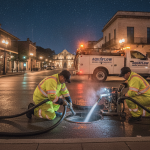
In some cases, professional help is necessary. Here’s when you should seek expert assistance. If you notice persistent clogs, bad odors, or leaks, it’s time to call a professional. A plumber can perform a video inspection and use specialized tools for deep cleaning and maintenance. Professionals employ tools like hydro-jetting and video inspections to perform deep, efficient cleaning. These services ensure that your roof drains are thoroughly cleaned, leaving no debris or clogs behind.
Maintaining clean roof drains in San Antonio is essential for preventing flooding and water damage. By following these tips and cleaning your drains regularly, you ensure that your home stays protected from the elements while keeping your plumbing system in top shape.