

Blocked drains can quickly turn into a household nightmare. You might find water pooling in your sink, or a shower refusing to drain. These issues demand swift action. But don’t worry, there are easy solutions. Whether it’s using common household items or basic tools, you’ll soon learn how to tackle these pesky problems. Dive into our guide for effective clogged drains solutions.
Sommaire
ToggleAssessing the severity of the blockage
Start by checking if water drains slowly or not at all. Listen for unusual sounds like gurgling, which may indicate a severe issue. Look for foul odors, a common sign of a clogged drain. Test multiple fixtures to determine if the problem affects a single pipe or the entire system. Knowing the severity helps decide if home remedies or professional help is needed.
Identifying common signs of a blocked drain
Clogged drains often show clear signs. Recognizing them early can prevent more serious issues. Look for these common indicators:
- Water draining slowly in sinks or tubs
- Unpleasant odors near drain openings
- Gurgling noises from pipes
- Standing water in showers or sinks
If you notice multiple signs, you may face urgent drain concerns. Acting quickly can save time and reduce potential damage.
Determining the location of the blockage
To determine the blockage location, start by checking multiple drains. If one sink drains slowly, the clog likely exists in that pipe. When multiple fixtures back up, the main sewer line may face issues. Listen for gurgling sounds or notice any unpleasant odors. These signs often indicate a deeper problem. Observe water levels in toilets; fluctuations suggest a sewer line issue. Use a flashlight to inspect visible pipes for blockages. Identifying the precise location helps in selecting the right clogged drains solutions and avoids unnecessary efforts.
Immediate actions to take
Pour déboucher les drains, versez de l’eau bouillante dans le tuyau. Utilisez un plunger pour créer une succion efficace. Ces méthodes fournissent des solutions rapides. Si le problème persiste, envisagez un urgent drain clearing method pour éviter d’endommager les tuyaux.
Using boiling water to clear minor clogs
Boiling water offers a simple and effective solution for minor clogs in drains. This method requires minimal effort and no specialized tools. Follow these steps for best results:
- Heat a pot of water until it reaches a rolling boil.
- Carefully pour the boiling water directly into the drain.
- Wait a few minutes to see if the clog clears.
- Repeat if necessary for stubborn clogs.
Employing a plunger for effective results
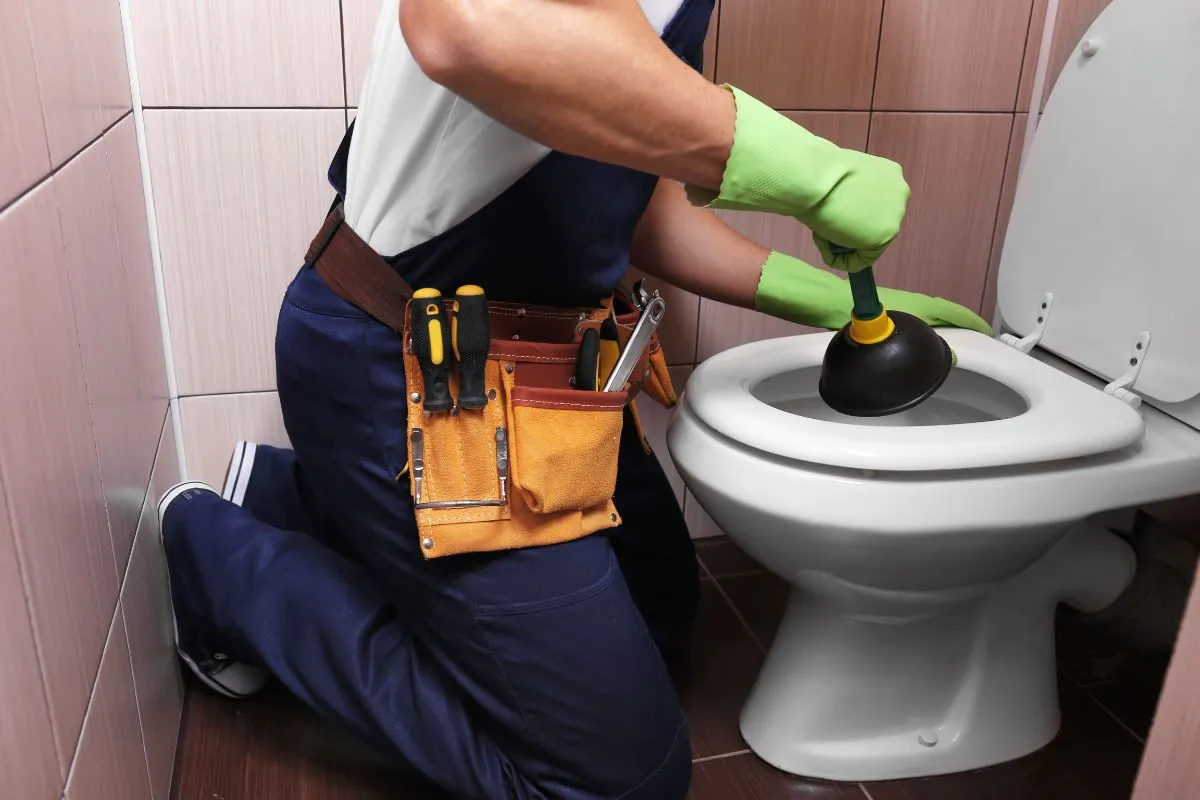
A plunger offers a straightforward solution for clogged drains. Start by selecting a cup plunger, ideal for sinks and tubs. Ensure a tight seal around the drain. Push down firmly, then pull up quickly. Repeat several times. This action creates pressure that can dislodge the blockage. If water starts to drain, continue plunging until fully cleared. Avoid excessive force to prevent pipe damage. For stubborn clogs, try adding a bit of water to increase pressure. Plunging remains an effective and accessible method for most minor blockages.
Home remedies for unclogging drains
Explore simple home remedies for clogged drains solutions. First, mix baking soda with vinegar. Pour it down the drain, and let it fizz. Rinse with hot water. This method dissolves minor blockages effectively. Another approach involves using salt combined with hot water. Pour them in, wait a few minutes, and flush the system. These natural solutions offer a practical, chemical-free way to tackle drain issues. They work well for homeowners seeking quick, cost-effective fixes without specialized tools or skills.
Baking soda and vinegar method
The baking soda and vinegar method offers a natural solution for unclogging drains. This approach uses simple ingredients found at home. Follow these steps for effective results:
- Pour half a cup of baking soda down the clogged drain.
- Add one cup of vinegar and cover the drain to contain the reaction.
- Wait 15 minutes, then flush with hot water to clear the blockage.
Salt and hot water solution
Pour déboucher une canalisation, versez une demi-tasse de sel dans l’évier. Suivez avec de l’eau chaude pour dissoudre le sel et déloger les obstructions. Ce remède simple peut souvent résoudre les clogged drains mineurs efficacement. Répétez si nécessaire pour des résultats optimaux.
When to use chemical drain cleaners
Consider using chemical drain cleaners when other methods fail. They work best for stubborn clogs. Ensure your pipes can handle the chemicals. Older or PVC pipes might get damaged. Always read the product instructions. Protect yourself with gloves and goggles. Chemical cleaners offer a quick solution, but frequent use can harm pipes. Understand the risks and benefits before proceeding. If unsure, consult a professional.
Understanding the risks and benefits
Chemical drain cleaners offer quick solutions but come with risks. They clear stubborn clogs effectively, but misuse can harm pipes. Understand these before use:
- Quick action on tough clogs
- Potential pipe corrosion
- Hazardous to skin and eyes
- Environmental impact
- Effectiveness varies by product
Choose wisely to protect your home’s plumbing system.
Choosing the right product for your pipes
Select a drain cleaner labeled safe for your pipe material. Opt for enzyme-based solutions for septic systems. Avoid harsh chemicals if you have older pipes. Ensure the product targets the specific clog type for effective clogged drains solutions. Always follow safety instructions.
Seeking professional help
When your efforts don’t resolve the issue, seeking professional help becomes crucial. Plumbers possess the tools and skills for effective clogged drains solutions. Here’s when to call them:
- Water drains slowly or not at all
- Recurring blockages despite attempts
- Foul odors persist
- Multiple drains experience issues
- Strange gurgling sounds
- Presence of sewage backup
These signs indicate a deeper problem, necessitating expert intervention for a lasting fix.
Knowing when to call a plumber
Persistent clogs signal the need to call a plumber. If water backs up in multiple fixtures, the issue likely lies deep in the plumbing system. Gurgling sounds and foul odors also indicate severe blockages. Attempting DIY fixes could worsen damage if problems persist. A professional brings expertise and tools to handle complex issues safely. Consider contacting urgent plumbing services in Austin when immediate attention is necessary, especially if a clog poses a risk to your home.
Preparing for a professional drain cleaning
Ensure access to the blocked area by clearing nearby objects. Document any previous attempts to unclog. Communicate this to your plumber for efficiency. Verify the plumber’s credentials and experience with your pipe type. Prepare a list of questions about drain cleaning processes and costs. Understand potential disruptions. Follow any pre-visit instructions from the plumber for a smooth service experience.
Answers to frequently asked questions
What are the first signs of a blocked drain?
Water drains slowly in sinks or showers. You might notice gurgling sounds or a foul odor.
How do you locate a blockage?
Check the nearest fixture. If multiple fixtures back up, the blockage might be in the main line.
Can boiling water help clear a clog?
Yes, for minor clogs. Pour it slowly into the drain. Repeat if necessary for better results.
When should you call a plumber?
If DIY solutions fail or you suspect a major blockage, it’s time to call a professional plumber.