

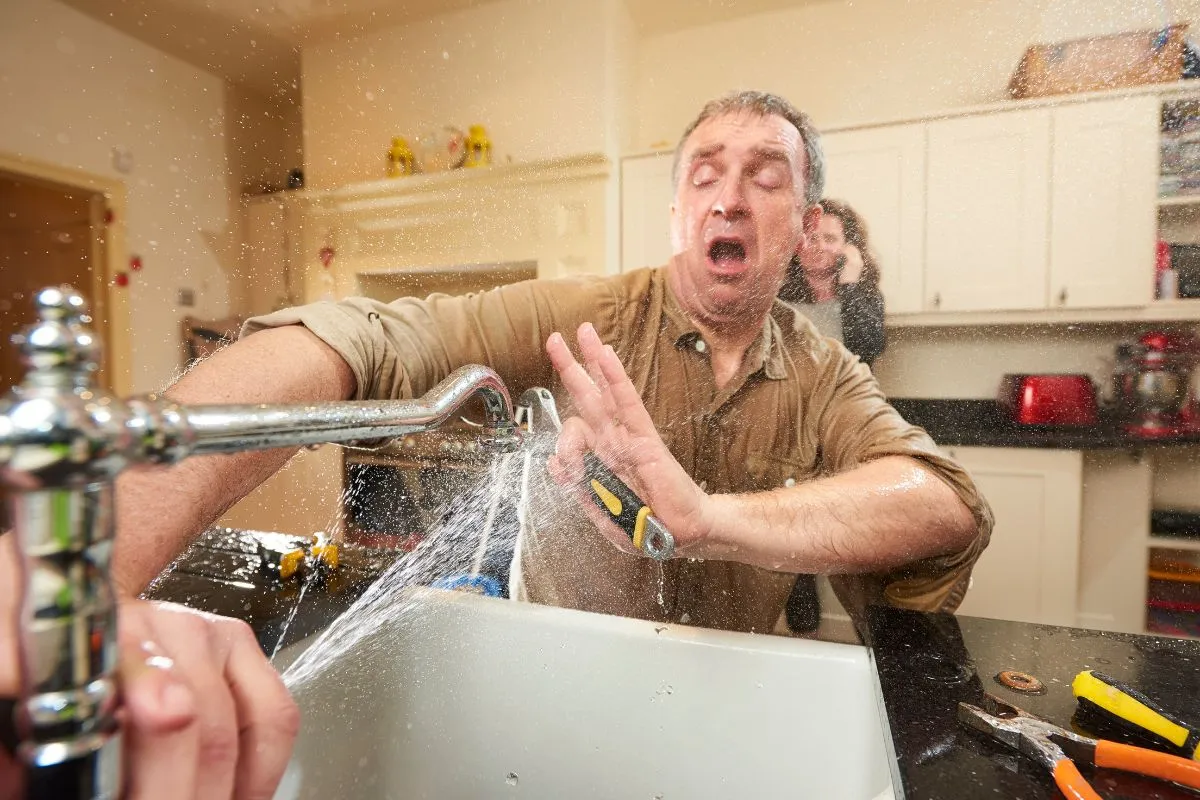
Ever wondered why your sink drains so slowly or what that funky smell is? These could be pipe cleaning signs you shouldn’t ignore. Ignoring them might lead to costly repairs. Let’s dive into the common issues and how to tackle them. Keep your home in top shape with simple tips and avoid unnecessary headaches.
Sommaire
ToggleCommon signs your pipes need cleaning
- Water drains slower than usual.
- Persistent unpleasant odors near drains.
- Gurgling sounds emerge from pipes.
- Frequent clogs in toilets and sinks.
- Unexplained water backups occur.
Three critical plumbing indicators suggest your pipes need cleaning. Ignoring these can lead to severe issues. Regular maintenance prevents costly repairs.
Slow drainage issues
Slow drainage often indicates a need for preventive cleaning. Water pooling around your feet in the shower or a sink that empties slowly suggests buildup in pipes. Common culprits include hair, soap scum, and food particles. Use a plunger or a plumber’s snake to clear minor clogs. Regularly pouring hot water can help dissolve grease. If slow drainage persists, consider professional help to inspect and clean your plumbing system. This proactive step saves money by avoiding major repairs later.
Unpleasant odors from drains
Unpleasant odors from drains often indicate a need for preventive cleaning. These smells arise when food particles, grease, and other debris rot inside pipes. To tackle this, consider these solutions:
- Flush drains with hot water weekly
- Pour baking soda followed by vinegar to break down buildup
- Use enzyme-based cleaners to digest organic material
- Check for leaks that trap odor-causing substances
- Install drain traps to prevent debris entry
- Schedule regular professional inspections
Addressing these issues helps maintain fresh-smelling drains and ensures a healthy home environment.
Gurgling noises in pipes
Hearing gurgling noises in your pipes often signals a problem with air trapped in the plumbing system. This air may result from a partial blockage, which disrupts water flow. Such blockages usually occur in the main sewer line or vent pipe. It’s important to address these pipe cleaning signs before they escalate. Try using a plunger or an enzyme-based cleaner to clear the obstruction. If the noise persists, consider consulting a professional plumber to avoid costly damages.
Causes of pipe blockages
Blockages in pipes cause serious plumbing issues. Understanding the common culprits helps in prevention. Here are some frequent causes:
- Grease buildup from cooking fats
- Hair accumulation in bathroom drains
- Food waste clogging kitchen sinks
- Mineral deposits in hard water areas
- Intruding tree roots seeking moisture
Regular maintenance and using drain screens help reduce these issues. Avoid pouring grease down drains and consider professional inspection if problems persist.
Accumulation of grease and debris
Grease and debris often build up in pipes, leading to clogs and slow drainage. This accumulation blocks water flow, causing issues that require attention. Here are some common sources:
- Cooking oils and fats
- Food scraps
- Soap scum
- Hair buildup
- Paper products
- Mineral deposits
Tree roots intrusion
Tree roots often invade pipes, causing clogs. Addressing this requires immediate attention to prevent costly repairs. Consider these solutions:
- Install root barriers
- Use copper sulfate
- Schedule regular inspections
- Employ hydro jetting
- Replace damaged pipes
- Consult professionals
Preventive cleaning methods
Regular drain cleaning keeps pipes clear. Use natural solutions like baking soda and vinegar for eco-friendly maintenance. Avoid chemical cleaners. Schedule routine checks to catch early signs of blockage. Simple practices prevent costly repairs and ensure a smooth plumbing system.
Regular drain cleaning practices
Regular drain cleaning prevents costly repairs. Follow these practices:
- Flush drains with hot water weekly
- Use baking soda and vinegar monthly
- Install drain screens
- Avoid pouring grease
- Run garbage disposal regularly
- Schedule annual professional inspections
Understanding the advantages of routine drain maintenance ensures long-lasting plumbing efficiency.
Using natural cleaning solutions
- Mix baking soda and vinegar for a powerful cleaning reaction.
- Use lemon juice to dissolve mineral buildup in pipes.
- Pour hot water regularly to flush out minor clogs.
- Apply salt and baking soda for a scrubbing effect.
Natural solutions provide an eco-friendly way to maintain your pipes. They offer effective cleaning without harsh chemicals. Regular use of these methods helps prevent clogs and keeps your plumbing in top condition.
When to call a professional plumber
Notice severe blockages like persistent clogs or water backing up in multiple drains. These issues demand immediate attention. A professional plumber provides expertise and specialized equipment. This saves you from costly damage and ensures efficient solutions.
Identifying severe blockages
Severe blockages manifest through water backups or persistent clogs. If plungers and cleaners fail, pipes might require professional intervention. Ignoring these signs can lead to costly repairs. As a first approach to clogged pipes, inspect visible areas for obstructions before seeking expert help.
Cost-benefit of professional cleaning
Hiring a professional plumber may seem costly upfront, but it prevents expensive repairs by addressing severe blockages effectively. Experts use advanced tools for thorough cleaning, ensuring your plumbing system runs smoothly. This proactive approach saves you time, stress, and potential water damage, offering significant long-term benefits.
Tips for maintaining clean pipes
Establish a regular maintenance schedule to keep pipes clear. Flush drains with hot water weekly. Avoid pouring oil or grease down the sink. Use a natural solution of baking soda and vinegar monthly. Install strainers to catch debris. Address minor clogs promptly to prevent major blockages.
Regular maintenance schedule
Establishing a regular maintenance schedule ensures your pipes stay clean and efficient. Consider these tips:
- Inspect drains every three months.
- Flush pipes with hot water monthly.
- Use enzyme cleaners quarterly.
- Schedule a professional inspection annually.
Consistent upkeep, like following a routine drain maintenance plan, prevents costly repairs and extends pipe life.
Avoiding harmful substances in drains
Pour préserver l’état de tes tuyaux, évite de verser de l’huile de cuisson ou des graisses dans les éviers. Ces substances se solidifient et causent des obstructions. Les produits chimiques corrosifs, souvent utilisés pour déboucher, peuvent endommager les tuyaux. Privilégie les méthodes naturelles comme le bicarbonate de soude et le vinaigre. Ces solutions éliminent les résidus sans risque pour la plomberie. Garder les drains exempts de substances nocives contribue à un entretien efficace et prolonge la durée de vie des systèmes de plomberie.
Common Questions
How can I tell if my slow drainage issue is serious?
If water pools in sinks or tubs, it suggests a serious issue. A plumber should inspect for potential blockages.
Why do my drains smell bad?
Unpleasant odors indicate buildup of debris or bacteria. Regular cleaning prevents these smells.
What causes gurgling noises in my pipes?
Air trapped in pipes often causes gurgling. This suggests a blockage needing attention.
How often should I clean my drains?
Clean drains every few months. Regular maintenance prevents buildup and costly repairs.
Can tree roots really damage my plumbing?
Yes, tree roots invade pipes through small cracks. They cause significant blockages if not addressed.